
Windows 10: A Cliffhanger Ending – Why Are People Reluctant to Upgrade to Windows 11?
Many people are holding out upgrading to Windows 11. This takes a look at the reasons why, and what are some of the challenges.
Derek Michals
12/2/20251 min read
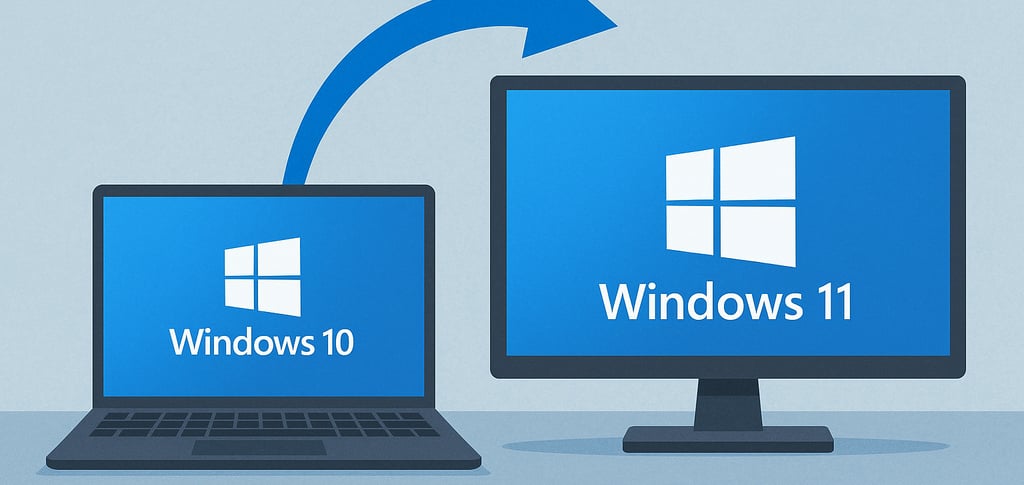
October came and went, and with it the EOL of Windows 10. Yet a large number of computers have not been upgraded yet. Some aren't compatible, lacking the TPM or other requirements, some just don't want to, and for other its about cost mitigation.
Personally I hate EOL lifecycles. Too often you don't get the ability to move ahead till it's almost too late. The deadline is looming and you finally get the project rolling in the last 90 days before EOL happens. That leads to the mad rush to get hundreds and sometimes thousands of new computers configured and rolled out in a short period of time. Nobody is happy with the sudden change, problems are found which slow adoption, or even stop it altogether. I had an application that was not compatible with 24H2 until the vendor released a patch, which took several months for them to build. This efectively stopped all deployments of Windows 11 until that was patched.
It's also hard to stomach that you may need new hardware to run it. The requirement for TPM 2.0 is requiring new computers to be purchased, when they have no issue running Windows 10. A family with a single Windows 10 pc may decide that they don't need the features that TPM 2.0 gives you, or they don't understand the added security you may get from it. For a corporation, that may me replacing 100's of fully functional computers, and all the incorporated costs.
What are you doing to manage your Windows 10 devices? Personally is a different set of decisions than when you are in a corporate environment. Do you think this will hurt Microsoft in the long run, and if so how should they do new os rollouts and continue to support legacy systems.